Why Air Bubbles Appear Under Wallpaper and How to Prevent Them
Air bubbles under wallpaper can spoil an otherwise beautiful wall, creating raised patches, wrinkles or uneven areas that become more noticeable as light moves across the surface. Although bubbling can sometimes appear to be a simple installation issue, the underlying cause may involve wall condition, adhesive, moisture, wallpaper material or application technique. Understanding why bubbles form makes it easier to prevent them and protect the finish of a wallpaper project.
What Causes Air Bubbles Beneath Wallpaper?
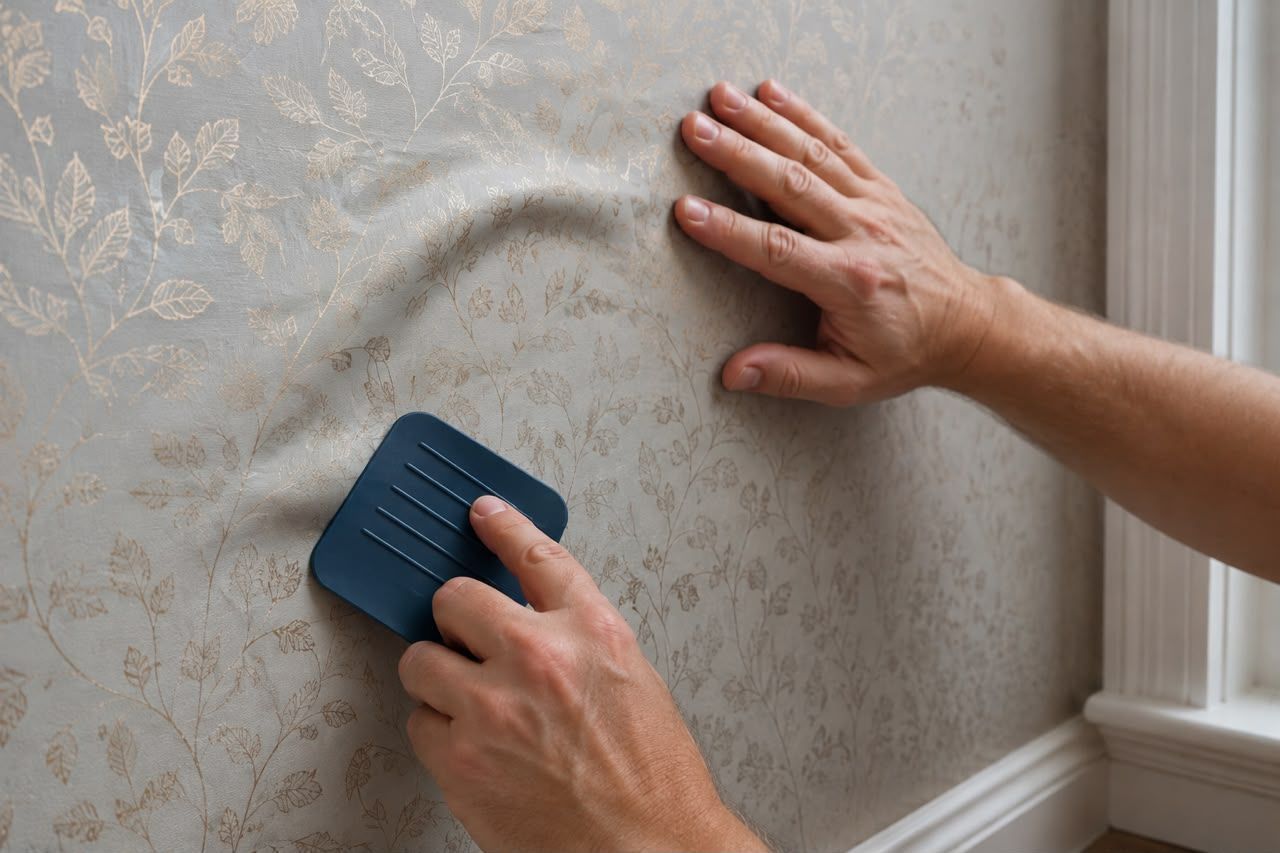
Air bubbles can form for several reasons, and identifying the cause is the first step towards preventing them. One common cause is trapped air during application. When wallpaper is pressed against a wall without being properly smoothed, pockets of air can remain between the material and the surface. These pockets may appear immediately as raised areas, particularly on large panels or wallpapers with a smooth finish. If they are not dealt with while the wallpaper is being installed, they can become more difficult to correct once the adhesive has begun setting.
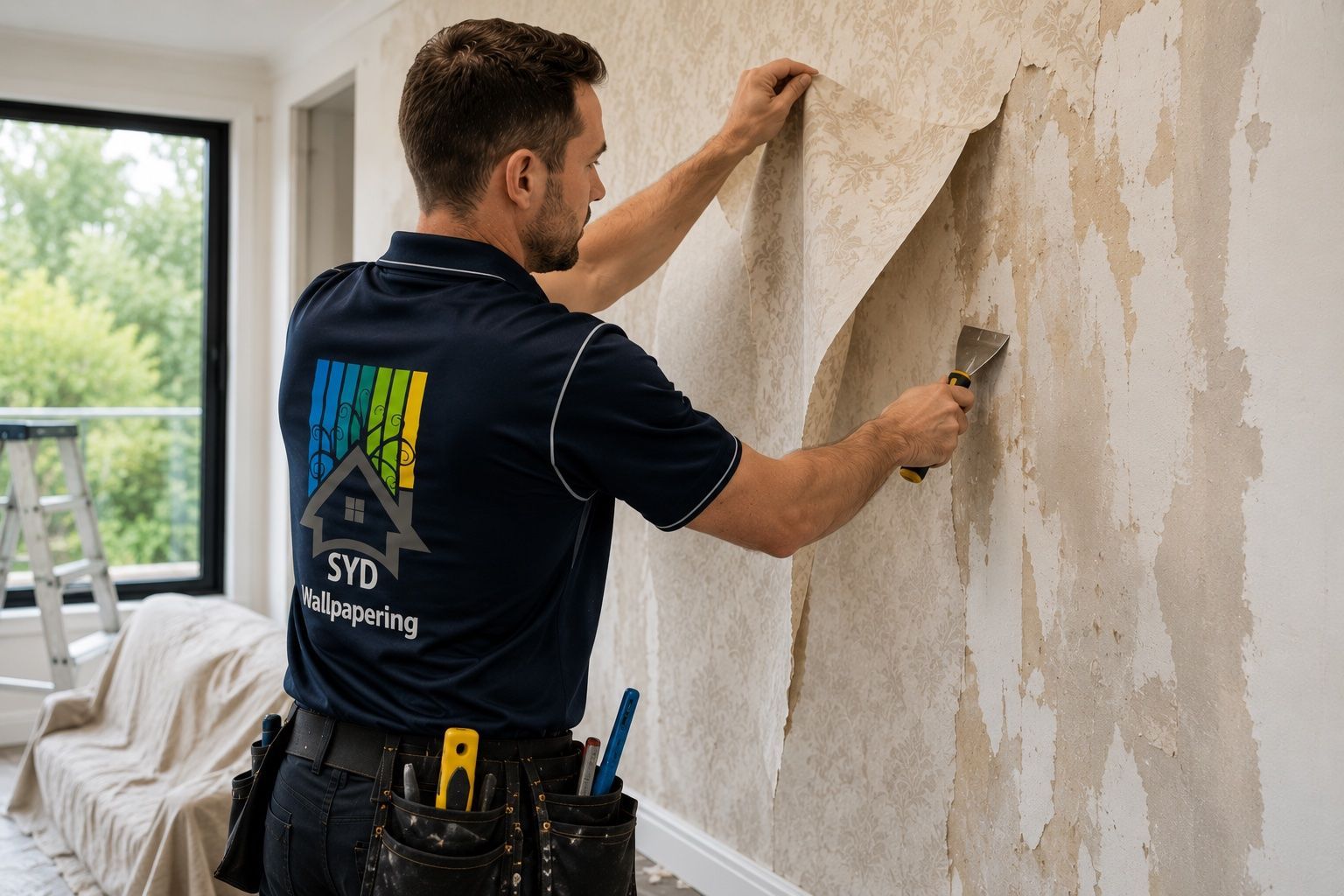
Wall preparation is equally important. Small dents, cracks, loose paint, dust, old adhesive and uneven plaster can prevent wallpaper from making consistent contact with the wall. Even minor imperfections can become visible through thin wallpaper, while larger irregularities may create spaces where adhesive cannot bond evenly. Professional installers therefore inspect the surface before hanging wallpaper rather than assuming that a painted wall is automatically ready.
Moisture is another potential contributor. If a wall contains dampness or the surface has not dried properly after cleaning, painting or repair work, moisture can interfere with adhesive performance. Excess moisture may also affect the wallpaper itself, causing changes in the material as it dries. This is particularly important when wallpaper is being installed in a recently renovated room where several wet processes have taken place.
The adhesive must also be appropriate for the wallpaper and applied correctly. Traditional wallpaper, vinyl products, textured materials and other wallcoverings can have different installation requirements. Too little adhesive may result in poor contact, while uneven application can leave sections that do not bond consistently. Using the correct product and following the manufacturer’s requirements helps create a more stable connection.
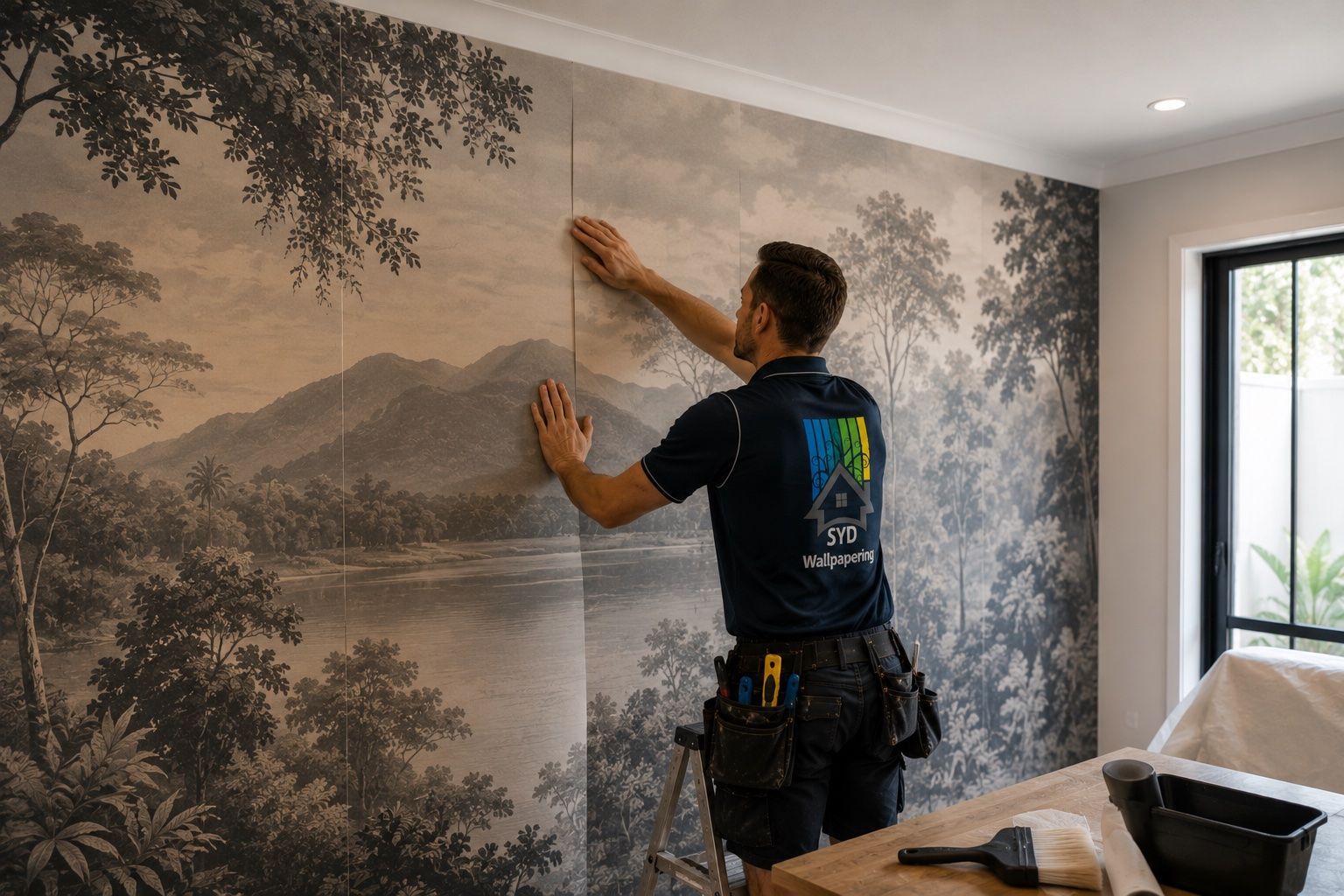
SYD Wallpapering explains that its installation process begins with assessing wall condition and addressing cracks, holes, loose paint and existing wallpaper where necessary. The company also uses professional tools and techniques to reduce wrinkles and air bubbles, while its Sydney services cover traditional wallpaper, peel and stick products, murals, textured wallpaper, vinyl and commercial wallcoverings.
Why Bubbles Can Appear After Installation
Not every bubble is visible the moment wallpaper is installed, which is why delayed bubbling can be particularly frustrating. During installation, wallpaper can respond to moisture from the adhesive and may change slightly as it dries. When the material has been applied correctly, these changes are generally accommodated as the adhesive sets. If the surface, adhesive or installation conditions are unsuitable, however, movement can contribute to visible bubbling or lifting.
Temperature and humidity can affect drying conditions. Significant changes in temperature can alter the behaviour of both wallpaper and adhesive. This does not mean ordinary changes in household conditions will automatically cause bubbles, but uncontrolled drying can make an existing installation weakness more noticeable.
Adhesive distribution is another consideration. Wallpaper needs sufficient, even contact with the prepared wall. If paste is concentrated in some areas and sparse in others, the wallpaper can dry inconsistently. Sections with weaker adhesion may lift slightly, producing bubbles that were not obvious during the initial installation.
The wallpaper itself matters too. Large murals and patterned panels require careful positioning because installers have less room for error when joining sections. Textured or heavier wallcoverings may also require specific techniques and suitable adhesives. Peel and stick wallpaper has different requirements because the adhesive is already integrated into the product, but achieving a smooth result still depends on a clean, even surface and careful application.
It is also important to distinguish a genuine air bubble from a wall defect. A raised area may sometimes be caused by a crack, loose plaster, old adhesive or another problem underneath the wallpaper rather than air trapped during installation. Attempting to flatten the surface without identifying the underlying issue can make the repair less effective.
This is why professional wallpaper installation is about more than simply attaching paper to a wall. SYD Wallpapering describes wall preparation, measuring, layout planning, precise installation and final inspection as stages of its process. Its website also notes that wall imperfections, moisture stains and uneven plaster can compromise adhesion and visual quality if they are not addressed beforehand.
How to Prevent Wallpaper Bubbles and Protect the Finish
The first priority is proper surface preparation. Walls should be clean, dry and reasonably smooth, with cracks, holes and other imperfections repaired before installation. Dust and loose material should be removed, while stains or moisture-related problems should be investigated rather than covered immediately. Depending on the wall and wallpaper, a suitable primer or sealer may also help create a consistent surface for adhesion.
The second priority is choosing the right adhesive and application method. A professional installer considers the wallpaper material, manufacturer’s requirements and wall condition before deciding how the product should be applied. Traditional wallpaper may require paste on the wallpaper, while paste-the-wall products are designed for adhesive to be applied directly to the wall. Using the wrong approach can affect both handling and adhesion.
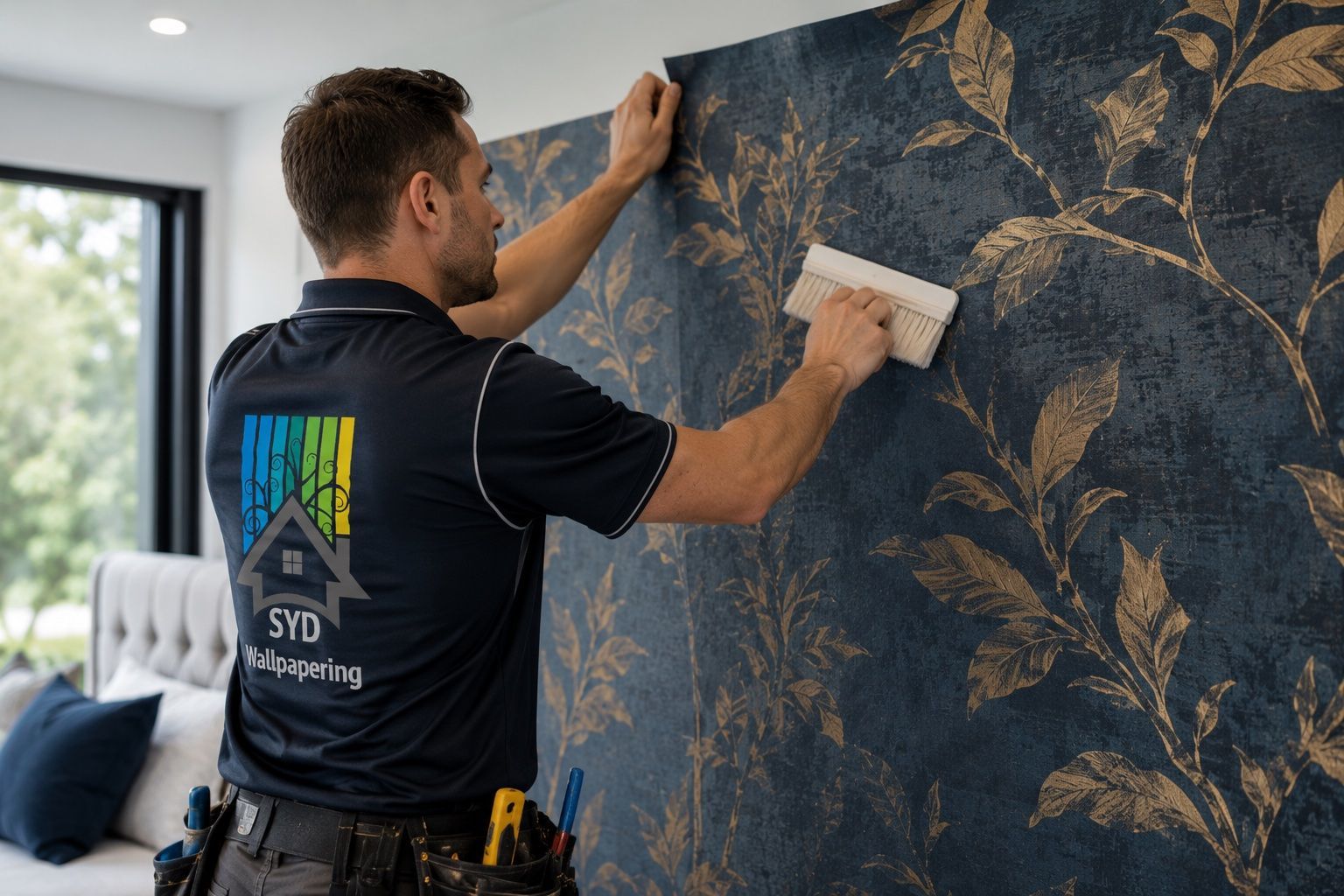
The third priority is controlled installation. Accurate measurements and layout planning help position each panel correctly, particularly where a repeating pattern or mural needs to line up. Once positioned, the wallpaper should be smoothed carefully using appropriate tools so trapped air can escape without stretching or damaging the material. Excess adhesive should also be removed carefully before it dries.
If a wall has previously experienced dampness, peeling paint or repeated cracking, the installer should know. Similarly, if wallpaper has already been installed on the surface, its condition and adhesive residue may affect the preparation required.
Follow the installer’s care instructions rather than aggressively touching, pressing or cleaning newly applied wallpaper. If a bubble appears, resist the temptation to puncture or cut it immediately, as an incorrect repair can leave a visible mark or damage the wallpaper.
Professional wallpaper installation can be particularly valuable for feature walls, murals and expensive designer products where mistakes can waste both material and labour. SYD Wallpapering provides wallpaper installation, removal, mural wallpapering, renovation and repair services across Sydney, with residential and commercial projects included. The company says its process includes final checks of seams, edges, panel alignment and excess adhesive before the job is completed.
If bubbling develops after installation, the correct response depends on its size, location, cause and the type of wallpaper involved. A small isolated bubble may sometimes be repairable, while widespread bubbling or lifting can indicate a broader adhesion or wall-condition problem. Having the surface assessed before attempting DIY repairs can prevent an issue from becoming a larger replacement job.
Conclusion
Air bubbles under wallpaper are usually a sign that something has affected the contact between the wall, adhesive and wallcovering. Trapped air, uneven surfaces, moisture, unsuitable adhesive, inconsistent application and movement during drying can all contribute to bubbling. The best prevention therefore starts with a clean, dry and properly prepared wall, followed by the correct adhesive, careful layout and controlled installation.
A professional approach is especially worthwhile when installing murals, textured designs, vinyl wallpaper or premium feature walls where alignment and finish are highly visible. By identifying wall problems before installation and using techniques suited to the chosen material, homeowners can significantly reduce the risk of bubbles, wrinkles and lifting. If bubbling has already appeared, understanding its cause is more useful than simply trying to flatten the visible area.
About SYD Wallpapering
SYD Wallpapering is a Sydney-based wallpaper installation and removal specialist providing services for residential and commercial properties across the city. Its services include wallpaper hanging, wallpaper removal, mural wallpapering, wallpaper renovation and repair, 3D wallpaper installation, and custom wallpaper design and supply. The company works with traditional, peel and stick, textured, vinyl, mural and commercial wallcoverings, and offers consultation, wall assessment, measuring, installation and finishing support. With more than 20 years of experience highlighted on its website, SYD Wallpapering focuses on precise pattern matching, smooth finishes and careful preparation to help Sydney homeowners, designers and businesses achieve durable, professional-looking interiors.
You might also like
SYD Wallpapering Blog