DIY vs. Professional Mural Wallpapering in Sydney: Which Is Best for Your Walls?
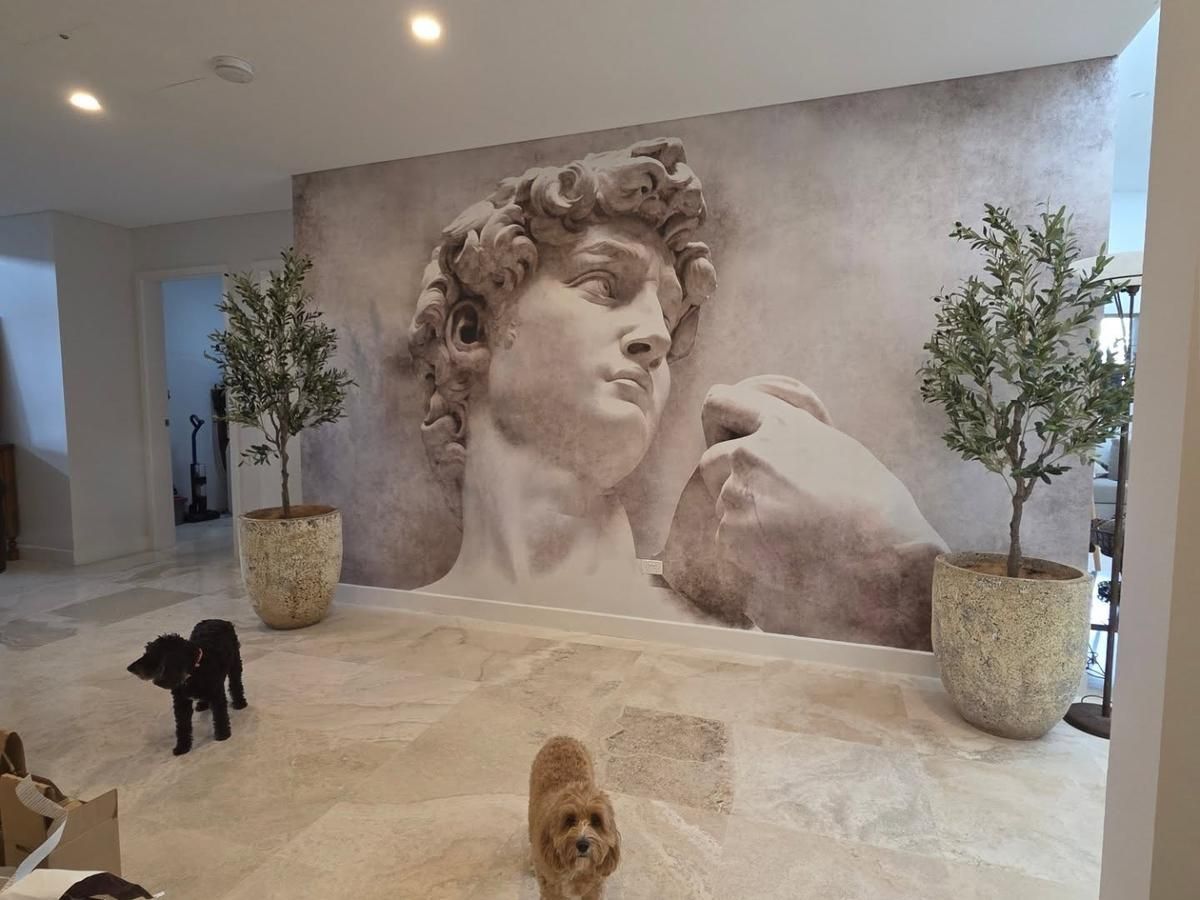
Mural wallpaper can completely change the character of a room, turning an ordinary wall into a detailed feature that draws attention as soon as someone enters. From large botanical designs and scenic landscapes to abstract patterns and custom artwork, mural wallpaper gives Sydney homeowners and businesses many ways to create a distinctive interior.
We'll discuss the key differences between DIY and professional
mural wallpapering in Sydney, including the advantages, challenges, installation requirements, and situations where each option may be more suitable. We'll also understand how Syd Wallpapering approaches mural wallpaper installation to help achieve a precise and professional finish.
DIY Mural Wallpapering: What Does It Involve?
DIY mural wallpapering involves completing the entire installation process yourself rather than hiring professional wallpaper installers. Depending on the mural and wallpaper material, the process can involve measuring the wall, preparing the surface, applying adhesive, positioning the wallpaper panels, and smoothing the material into place.
Unlike standard wallpaper, many mural designs are made up of several panels that form one continuous image. This means each section must be positioned correctly so the artwork lines up across the entire wall. The wall also needs to be properly prepared before installation.
Dust, dirt, holes, cracks, uneven surfaces, or existing wallpaper can affect how well the mural adheres and how smooth the finished surface appears. For someone with previous wallpapering experience, a straightforward mural on a smooth wall may be manageable as a DIY project. However, larger or more detailed designs can become considerably more difficult.
Advantages of DIY Mural Wallpapering
DIY mural wallpapering can be a practical option for smaller, straightforward projects, particularly if you have some wallpapering experience and a well-prepared wall.
- Lower upfront costs: You can avoid professional installation labour and only pay for the wallpaper and necessary installation materials.
- Flexible timing: You can work at your own pace and complete the project around your schedule.
- Suitable for simple projects: DIY can work well for smaller murals with straightforward designs and minimal panel alignment.
- Greater personal control: You can manage each stage of the installation according to your preferred approach.
- Potential for costly mistakes: Incorrect measurements, poor alignment, bubbles, or damaged wallpaper can result in additional costs.
Challenges of Installing Mural Wallpaper Yourself
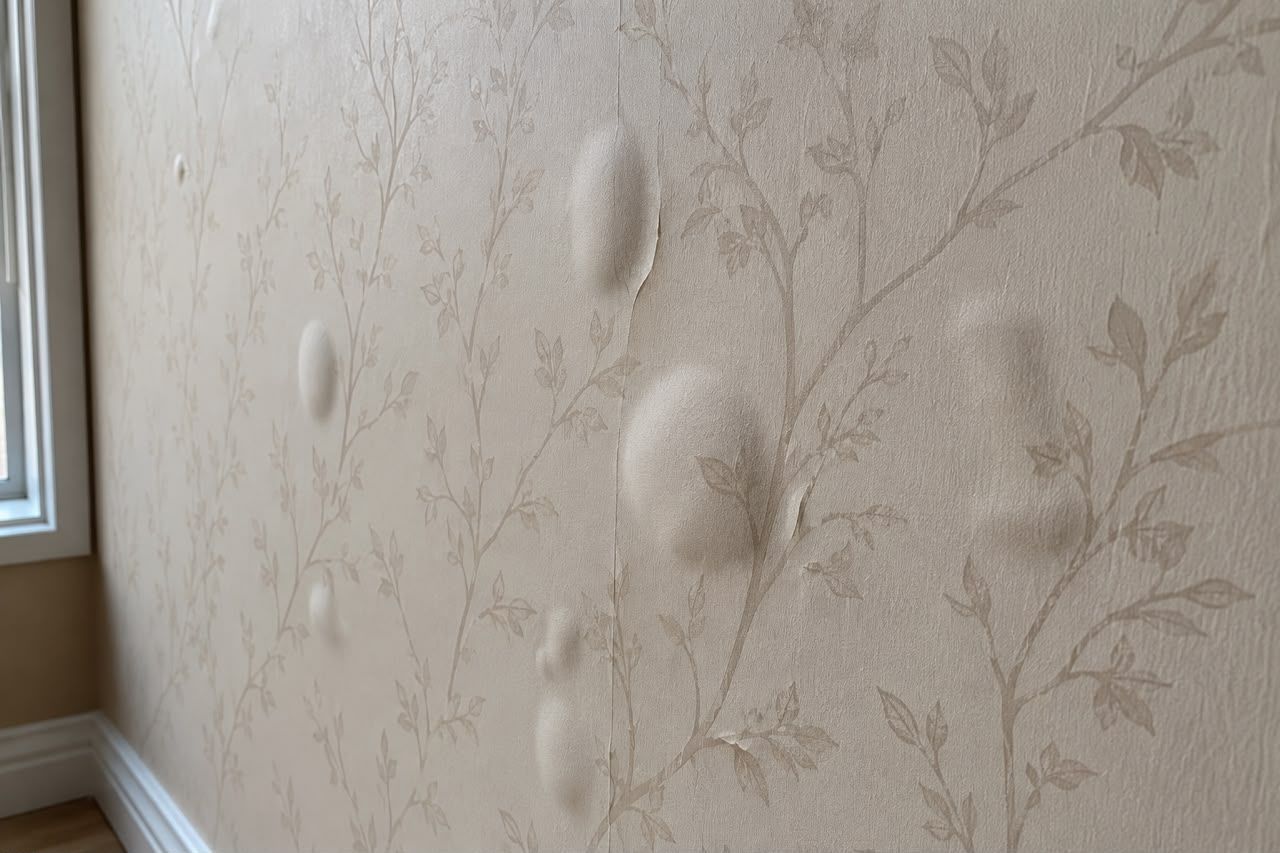
The biggest challenge is usually precision. Mural wallpaper must be positioned carefully so individual panels line up and the overall image stays continuous. Even a small positioning error can become noticeable once you've installed several panels. Bubbles, wrinkles, creases, and uneven edges can also affect the final appearance.
Wall preparation is another important consideration. Wallpaper may not sit correctly over damaged or uneven surfaces, so preparation can take longer than expected. You also risk damaging the wallpaper during installation. Mural designs can be visually complex and may be expensive to replace if a panel is incorrectly cut, torn, or permanently marked.
Advantages of Hiring Professional Wallpaper Installers
Professional mural wallpaper installation can provide several advantages, particularly for large, detailed, or multi-panel designs where precision and careful handling are important.
- Precise Panel Alignment: Experienced wallpaper installers can accurately position and align mural panels to maintain continuity across the design.
- Better Surface Preparation: Professionals can identify and address surface issues that could affect wallpaper adhesion and the final appearance.
- Cleaner Finish: Proper installation techniques can help minimise bubbles, wrinkles, creases, and visible alignment issues.
- Greater Efficiency: Professional installers can work systematically, making the process more efficient, particularly for large feature walls.
- Reduced Risk of Damage: Experienced installers understand how to handle and apply wallpaper carefully.
| Factor | DIY Installation | Professional Installation |
|---|---|---|
| Cost | Lower upfront installation cost | Includes professional installation |
| Time | May take longer depending on experience | Generally more efficient |
| Panel alignment | Requires careful DIY positioning | Handled by experienced installers |
| Wall preparation | Homeowner responsibility | Assessed and prepared as required |
| Risk of mistakes | Higher | Lower |
| Finish | Depends on installation experience | More consistent |
| Large murals | Can be challenging | Better suited to complex installations |
How Syd Wallpapering Handles Mural Wallpaper Installation
At Syd Wallpapering, we follow a structured installation process to help ensure mural wallpaper is accurately positioned and finished to a high standard. Each stage is handled carefully to suit the wall, wallpaper material, and overall mural design. Our process focuses on five key stages:
1. Assessing the Wall Surface
We assess the wall before installation to identify imperfections, uneven areas, or other conditions that could affect the mural. This helps determine whether the surface requires additional preparation before the wallpaper is applied. A properly assessed surface provides a better foundation for a clean and consistent mural installation.
2. Preparing the Surface
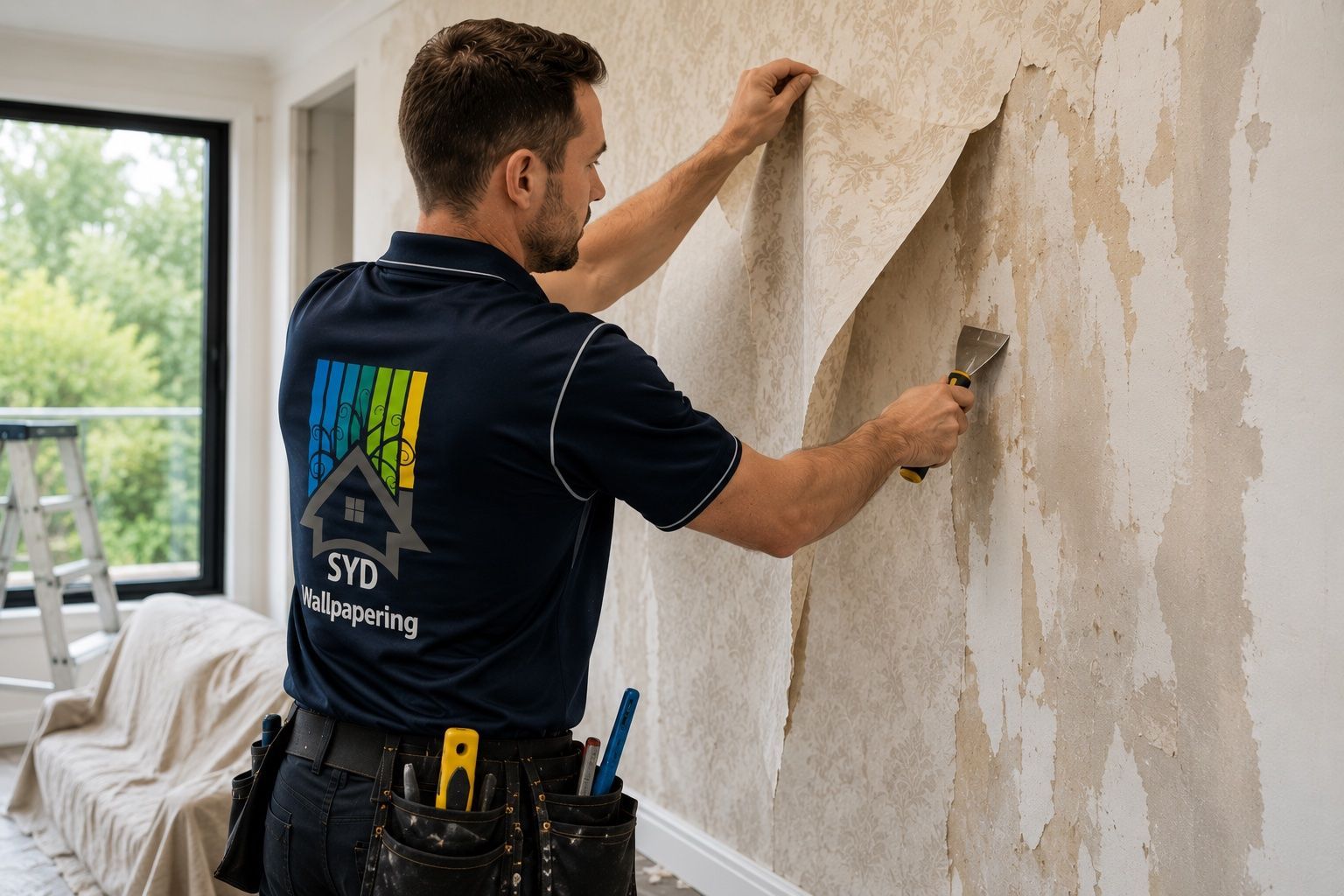
The wall is prepared to create a suitable surface for the mural wallpaper. Cleaning, smoothing, and addressing relevant imperfections can help the wallpaper sit more evenly against the wall. Proper surface preparation can also contribute to a cleaner and more durable finished result.
3. Measuring and Planning Panel Placement
Accurate measurements are taken to determine how each mural panel should be positioned across the wall. Careful planning is particularly important when multiple panels need to align to create one continuous image. This helps ensure the overall design remains correctly positioned throughout the installation.
4. Applying and Aligning the Mural
The mural panels are carefully applied and aligned according to the planned layout. Particular attention is given to panel joins, edges, and the continuation of the design across the wall. Careful application helps minimise visible inconsistencies and supports a professional-looking finish.
5. Smoothing and Finishing
Once the mural has been positioned, the wallpaper is carefully smoothed to address bubbles, creases, and other visible imperfections. The edges and joins are also checked to ensure the installation looks neat and consistent. A final inspection helps confirm that the mural is properly finished and ready to become the room's feature wall.
Final Verdict: DIY or Professional Mural Wallpapering?
DIY mural wallpapering can suit smaller, simpler projects, especially if you have previous wallpaper installation experience and a smooth, well-prepared wall. However, professional mural wallpapering is generally the better option.
Ultimately, the best choice depends on the specific mural, wall condition, and installation requirements. If you are unsure whether your project is suitable for DIY installation, assessing the wall and mural before starting can help you make a more informed decision.
If you want a professionally installed mural with careful wall preparation, accurate panel alignment, and a clean finished look,
Syd Wallpapering can help. Our experienced wallpaper installers provide professional mural wallpapering in Sydney. Contact Syd Wallpapering today
to discuss your mural wallpaper project and arrange professional wallpaper installation in Sydney.
FAQs on DIY vs. Professional Mural Wallpapering in Sydney
Is mural wallpaper difficult to install yourself?
Mural wallpaper can be more challenging to install than standard wallpaper because multiple panels may need to be aligned to create one continuous image. The difficulty also depends on the wallpaper material, wall condition, and size of the mural. DIY installation requires careful measuring, positioning, and surface preparation.
Can I install mural wallpaper on any wall?
Not every wall is immediately suitable for mural wallpaper installation. Surfaces may need to be clean, smooth, dry, and properly prepared before wallpaper is applied. Significant cracks, holes, uneven areas, or existing wallpaper may need to be addressed first.
Is professional wallpaper installation worth it?
Professional installation can be worthwhile when you are working with a large, detailed, or expensive mural. Experienced wallpaper installers can handle preparation, panel positioning, and application with greater precision. This can help reduce the risk of visible installation problems.
How long does mural wallpaper installation take?
The installation time depends on the size of the wall, number of panels, wallpaper material, and amount of preparation required. A simple feature wall may be completed relatively quickly, while a larger mural requiring extensive preparation can take longer. A professional installer can assess the project and provide a more accurate timeframe.
What is involved in professional mural wallpapering?
Professional mural wallpapering can involve wall assessment, surface preparation, accurate measurements, panel planning, wallpaper application, and finishing. Particular attention is given to panel alignment so the overall mural design remains consistent. The final stage involves checking the installation for a clean and even finish.
Can wallpaper installers fix wall imperfections?
Some wall imperfections can be addressed through appropriate surface preparation before wallpaper installation. The extent of preparation required depends on the condition and type of wall. Significant damage may require additional repair work before the mural can be installed.
Should I hire a professional for a large mural wallpaper?
Hiring a professional can be a practical choice for large mural wallpaper projects because accurate panel alignment becomes increasingly important as the installation area grows. Professional installers can also manage surface preparation and the handling of large wallpaper panels. This can help achieve a cleaner and more consistent finished result.
You might also like
SYD Wallpapering Blog